
Service Request
Complete this form and we will contact you as soon as possible.
For emergencies call: 1-800-536-4056
Thank you! Your submission has been received!
Oops! Something went wrong while submitting the form.
Complete this form and we will contact you as soon as possible.
For emergencies call: 1-800-536-4056

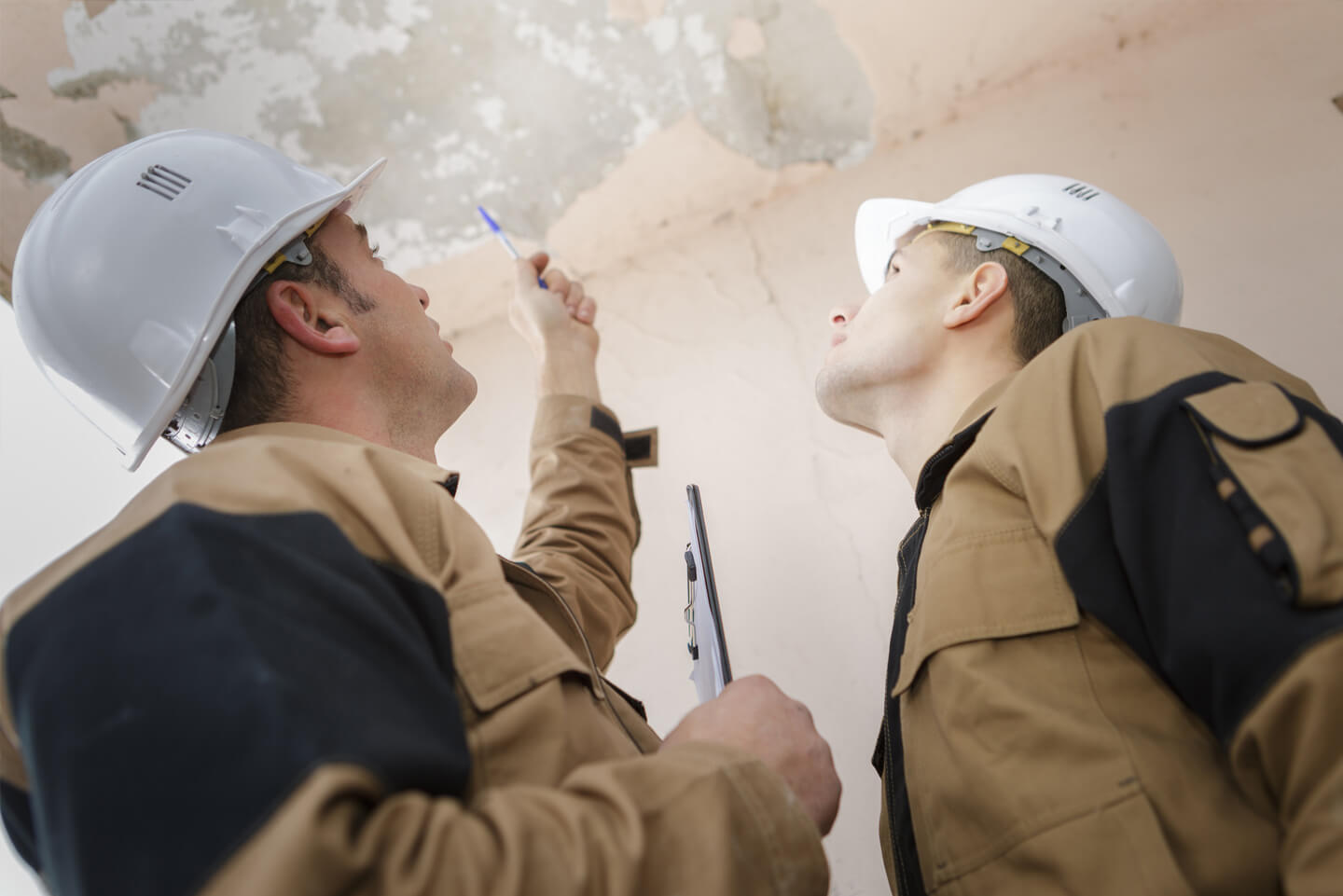
Water damage restoration cost depends on the water source, the materials affected, the moisture trapped inside the building, and the work needed to make repairs. A useful estimate separates emergency mitigation from reconstruction and explains what is included, rather than promising one price for every home.
A small visible leak and a small restoration project are not always the same thing. Water can travel beneath flooring, into insulation, and through wall or ceiling cavities before you see a stain. The condition of those materials determines what can be dried and what needs replacement.
If the damage began in a basement, our basement flood cleanup guide explains the practical next steps. Keep people away from unsafe areas before thinking about repair finishes.
Hays + Sons provides water damage restoration for homes, businesses, and multifamily properties in Indiana, Ohio, and Northern Kentucky. The independently owned, veteran-owned company was founded in 1982 and has completed more than 40,000 restorations.
Ask the restoration company to describe each part of the proposed work. The estimate should make clear which tasks address the immediate loss and which tasks restore the finished space.
Ask whether the estimate covers the entire project or only the emergency phase. A lower mitigation estimate is not automatically a lower total project cost if reconstruction is excluded.
Mitigation addresses the immediate water loss and its effects; reconstruction restores damaged building materials and finishes. Those phases belong in the same recovery plan, but they are not interchangeable line items.
For example, extracting water and drying a room does not necessarily include installing new flooring. Removing damaged ceiling drywall does not necessarily include finishing and painting the replacement.
Hays + Sons handles emergency mitigation and the rebuild through one company. Ask the team to explain the proposed handoff between those stages so you understand the work before authorizing it.
The visible footprint is only a starting point. An assessment should consider adjoining rooms and concealed spaces when the evidence points to water migration. Ask the estimator which areas were checked and which areas still need investigation.
A supply-line leak, sewage backup, and exterior flooding require different cleanup decisions. Do not judge contamination by how clear the water looks. Tell the restoration company what happened, even if you are unsure of the exact source.
Drywall, insulation, cabinets, carpeting, and wood flooring do not present the same restoration problem. Ask which materials are candidates for drying and which are proposed for removal. A written explanation helps you compare estimates that otherwise look very different.
Water behind cabinets, inside ceilings, or beneath flooring requires a different approach from accessible surface water. Electrical concerns and damaged building materials also affect access. The CDC's flooded-home safety guidance explains why safe entry comes before cleanup.
Mold changes the cleanup plan and should not be treated as a cosmetic stain. The EPA's mold and moisture guide emphasizes fixing the water problem as well as removing mold. Ask the estimator whether mold work is included or needs a separate assessment.
Room names alone do not establish the scope. A bathroom leak can affect a ceiling below it; a ceiling stain can be the visible edge of a larger wet area.
For a closer look at overhead damage, see our guide to water-damaged ceilings. Do not paint over a stain as a substitute for identifying its cause.
No. An online calculator cannot inspect a wall cavity, establish the contamination present, or verify the condition of a subfloor. Use it to organize questions, not to decide whether a contractor's scope is necessary.
The useful comparison is between written estimates for the same work. Ask each company to identify assumptions, exclusions, and conditions that would change the scope after work begins.
Read the scope before comparing totals. Two estimates can describe different projects even when both use the phrase water damage restoration.
Hays + Sons is an IICRC Certified Firm, and its technicians hold WRT water restoration certifications across all 8 offices. Ask any company to explain the qualifications relevant to your loss and the work it proposes.
Take photographs from a safe location, record when you discovered the damage, and keep invoices and communications together. Contact your insurer for policy-specific reporting and documentation requirements. Do not put yourself at risk to collect evidence.
Hays + Sons uses Matterport 3D scans before, during, and after work so homeowners and insurance adjusters can review the same visual record. A scan supports documentation; it does not decide coverage, replace policy terms, or guarantee payment.
Ask which records the restoration team will provide and how you can share them with the adjuster. Keep insurer decisions separate from the contractor's description of the work needed.
Stay out of areas with standing water near electrical equipment, unstable ceilings, or suspected sewage. If it is safe to reach a water shutoff without entering a hazardous area, stop an active plumbing leak. Otherwise, wait for qualified help.
Hays + Sons answers emergency calls 24/7 with a 1–2 hour arrival target, not a guaranteed arrival time. The team can discuss the loss and the next assessment steps. Completed work is backed by a two-year warranty.
For Indianapolis assistance, call (317) 788-0911 or use the Indianapolis office contact page. Explain the water source, affected areas, and any access concerns when you call.
A restoration estimate is useful only when you understand the work behind it. Ask for the reason for each major removal, the proposed drying checks, and the work needed to put the space back together.
A national average does not establish the price of your project. Your written estimate should reflect the water source, affected materials, contamination, drying needs, and reconstruction scope.
No. Mitigation addresses the immediate loss and affected conditions; repair or reconstruction restores damaged building materials and finishes.
The scope depends on the amount of drywall affected, the condition of the material, contamination, and access to wet spaces behind it. Ask whether insulation, finishing, trim, and painting are included.
Coverage depends on the policy and the circumstances of the loss. Your insurer or adjuster must explain the applicable terms; a restoration estimate does not establish coverage.
Do not wait to address an immediate safety concern. Contact your insurer promptly and ask about emergency mitigation and documentation requirements while arranging qualified assistance.
No. A Matterport 3D scan provides a visual record of the property at the time it is captured. Coverage and payment decisions remain subject to the policy and the insurer's review.